
A sample is useful only when the buyer knows what it represents and which decision it must support. Separate catalogue samples, custom prototypes and production-representative approvals so one does not imply evidence it cannot provide.
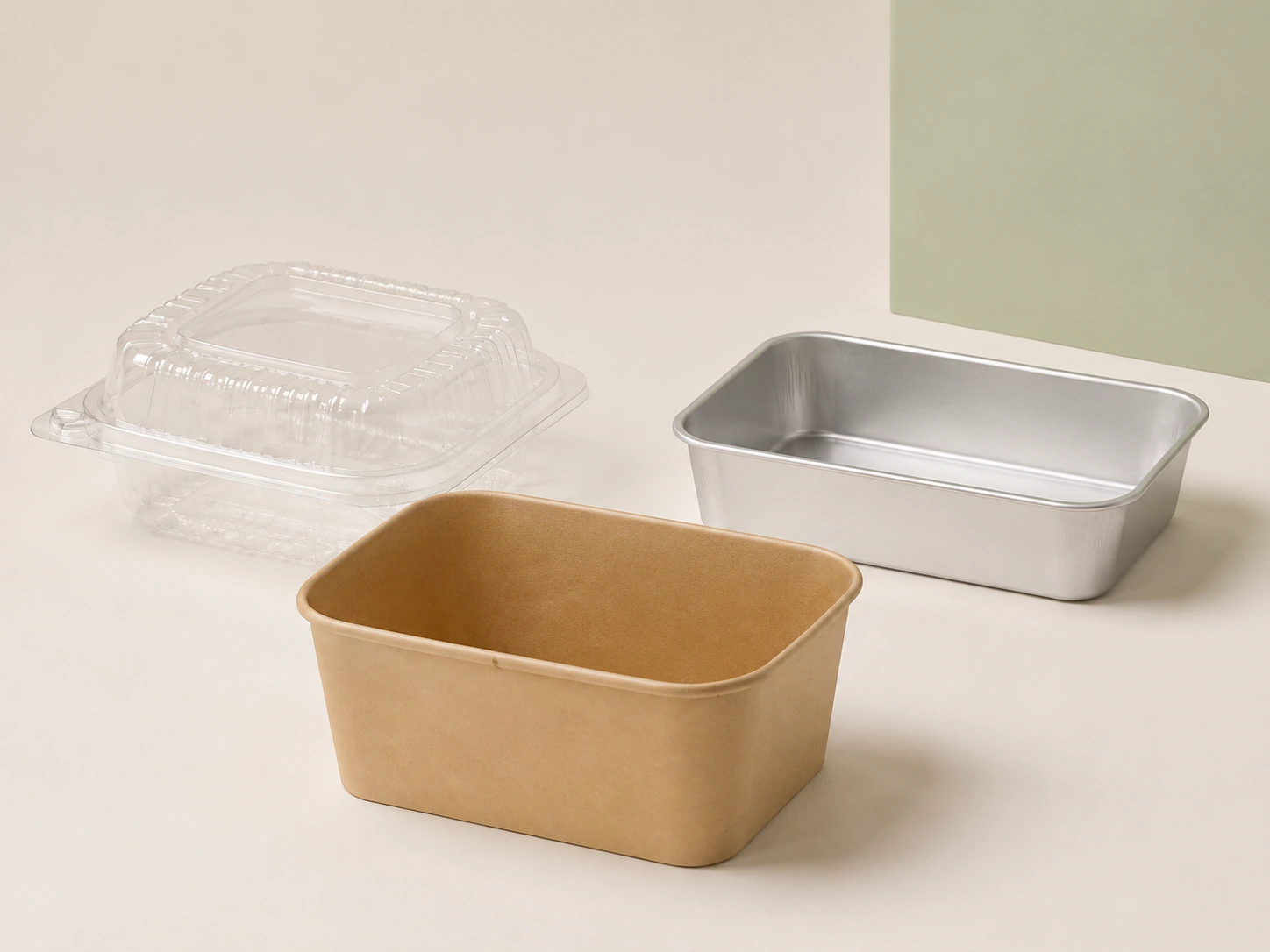
Define the sample question.
State whether the review is for portion fit, dimensions, closure, stacking, transport, artwork layout, colour or final production finish. One sample may not answer all of these questions.
Write acceptance observations before the sample arrives so reviewers evaluate the same conditions.
- Decision to be made
- Model or construction
- Food and test conditions
- Artwork version
- Required approval record
Identify what the sample represents.
A catalogue reference may show shape and handling but not custom colour or printing. A prototype may demonstrate layout without representing the final material or production method.
Ask the supplier to state the sample type, model relationship and any differences from the proposed order.
Run a model-specific food test.
Fill the sample with the intended portion, close it through the real workflow, hold it for the expected interval and transport it in the planned orientation. Record the food, fill condition, duration and observations.
Intended-use suitability still requires written model-level confirmation and any applicable evidence review.
Review artwork as a separate layer.
Tie every proof or printed sample to an artwork filename and revision. Check content, orientation, print position, coverage and its relationship to folds, seams, labels or closures.
State whether the approval covers layout, colour expectation, construction or a production-representative result.
Record cost, timing and delivery.
Ask for availability, sample charge, setup items, delivery method and timing after the requested sample type is clear. Separate sample timing from bulk-production timing.
If samples must reach several reviewers, define quantity and destination before quotation.
Close approval without overclaiming.
Keep the sample identity, test notes, artwork version, approver, date and unresolved conditions in one record. Approval should say precisely what was accepted.
Reconfirm final specification, documents, MOQ, packing and production timing before order release.
Use the RFQ checklist · Discuss a custom project
Questions before quotation
Can I request a sample before choosing a model?
You can discuss a representative reference, but a useful request should define the format, application and decision the sample must support.
Does a catalogue sample prove custom printing?
No. It may help assess the base format but does not automatically represent custom artwork, colour, print method or production finish.
What should a sample approval record include?
Include the model or sample identity, test conditions, artwork version where applicable, observations, approver, date and any unresolved conditions.
Continue your buying brief
Custom takeaway containers · Takeaway container sourcing guide · Food packaging RFQ checklist